
Directive 8020 is not just asking you to survive a sci-fi horror story. It is asking if you can stay calm when every choice feels wrong.
Directive 8020 Wants To Make You Feel Uncomfortable
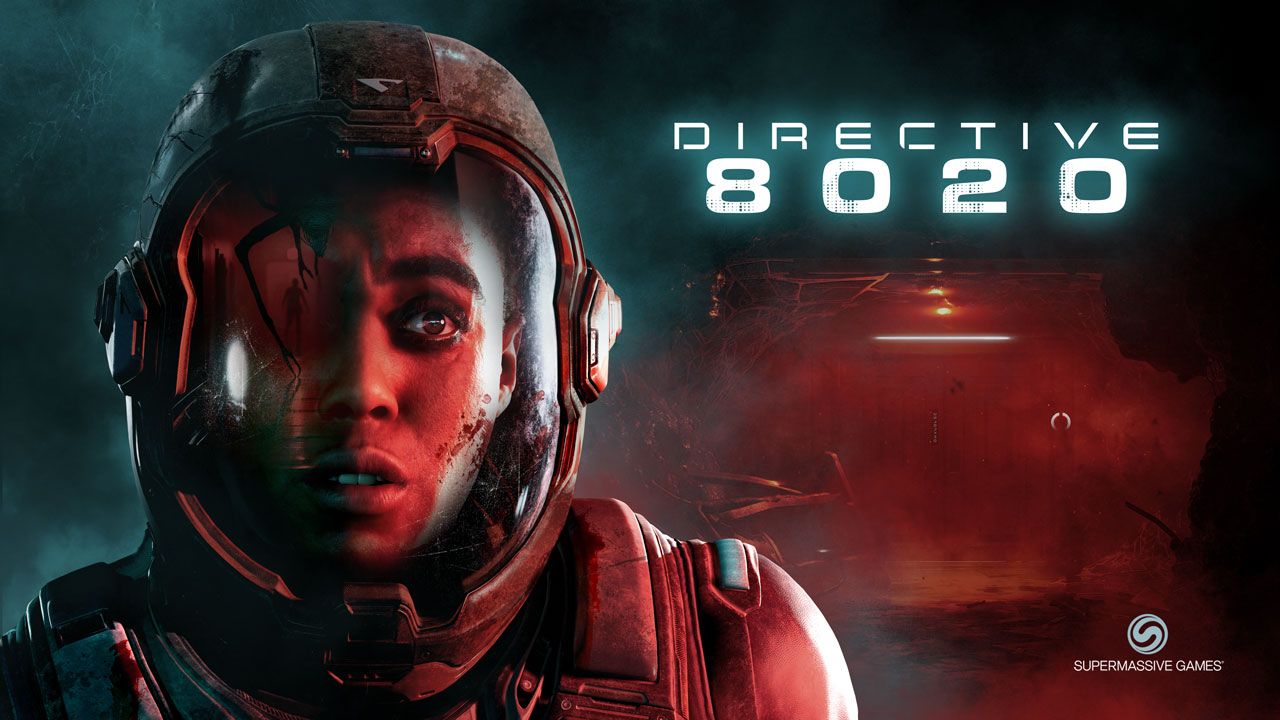
What Is Directive 8020?
Directive 8020 is a sci-fi survival horror game from Supermassive Games, the studio behind Until Dawn and The Quarry. It launched on May 12, 2026 for PS5, Xbox Series X|S and PC, and it feels like Supermassive trying to push its cinematic horror formula into something colder, darker, and more paranoid.
The story takes place aboard the Cassiopeia, a colony ship sent toward Tau Ceti f because Earth is dying and humanity is running out of options. Very relaxing. Obviously, things go wrong. The crew discovers an alien organism capable of mimicking people, which means the horror is not only outside the room. It might be sitting next to you, talking like someone you trust.
That is already a good horror idea.
Not because it is new, exactly. It has that Alien and The Thing kind of energy. But because paranoia works when a game knows how to make you doubt small things. A look. A pause. A decision you made five minutes ago that suddenly feels stupid.
This Kind Of Horror Needs To Feel Wrong
What I want from Directive 8020 is not just jumpscares or shiny Unreal Engine 5 corridors. I want discomfort. I want that feeling where the game goes quiet and you realize you are holding the controller too tightly.
Supermassive games are usually at their best when they make you responsible for something awful. Not in a “you lost health” way. More like: you trusted the wrong person, opened the wrong door, said the wrong thing, waited too long, moved too fast, and now someone is dead.
Directive 8020 seems built around that pressure. Choices matter, characters can die, and the new Turning Points system lets players revisit key decisions instead of restarting everything. I understand why that is useful. I also think it is dangerous. Horror loses something when the consequences feel too easy to edit.
But maybe that is the point too.
Maybe the scariest part is knowing you can go back and still make the wrong choice
The Reviews Make Me More Curious, Not Less
The early reviews are not perfectly clean, and honestly, that makes me more interested. Some critics are praising Directive 8020 as a strong sci-fi body horror experience, with intense choices, multiple endings, and a story that leans hard into paranoia. Others say the stealth mechanics are inconsistent, the tension sometimes drops, and the new systems do not always land perfectly.
That sounds messy.
But horror can survive messy if the feeling is strong enough.
A technically perfect horror game that leaves me cold is useless to me. I would rather play something flawed that gets under my skin than something polished that feels like it was designed by a committee afraid of silence.
With Directive 8020, the real question is not “is every mechanic perfect?”
The real question is: does it make you uncomfortable in a way you remember after closing the game?
It Is Not About Playing Well
I like horror games that make skill feel almost irrelevant.
Not completely irrelevant, obviously. I do not want to just watch things happen. But I like when the game reminds you that being “good” does not protect you from fear.
Directive 8020 seems more interested in pressure than power. You are not walking through space as some perfect action hero with clean answers. You are dealing with isolation, suspicion, limited trust, and the horrible idea that anyone around you could stop being human.
That is the kind of horror I respect.
The kind where you are not asking, “how do I win?”
You are asking, “who am I willing to risk?”
What Stands Out So Far
Directive 8020 has the right ingredients for a strong horror experience: a dying Earth, a desperate mission, a claustrophobic ship, a shapeshifting alien, a crew that cannot fully trust each other, and decisions that can change who survives.
The game also seems to be Supermassive trying to evolve. More survival elements, more real-time threat, more stealth, more pressure beyond just dialogue choices and quick-time events.
Does all of it work perfectly? Apparently not.
But I do not need this game to be perfect.
I need it to make me hesitate before opening a door.
My Honest Take
I think Directive 8020 is worth paying attention to because it understands something a lot of horror games forget: discomfort matters more than cleanliness.
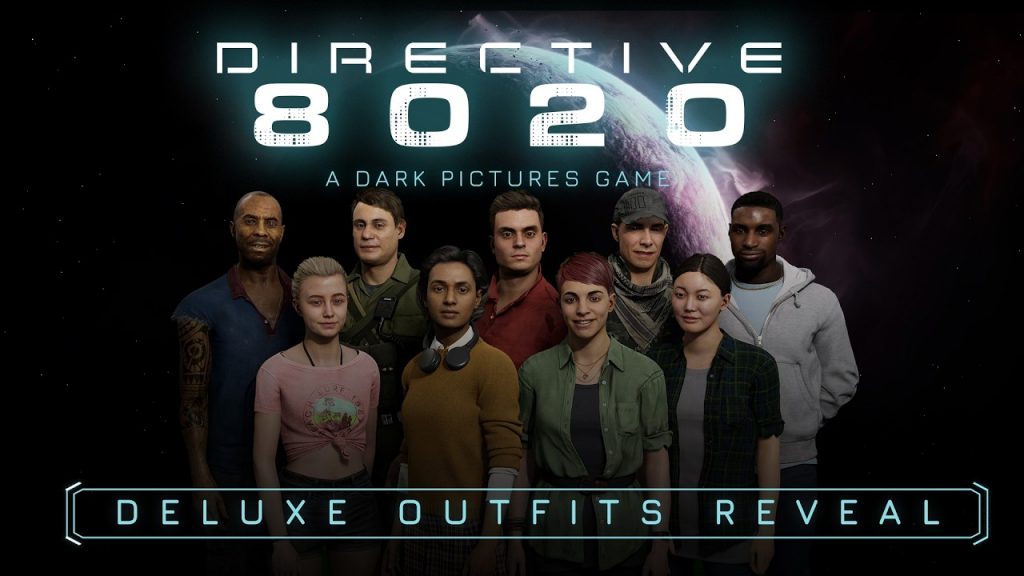
I do not want every scene to feel safe, balanced, and perfectly designed. I want the game to make me second-guess myself. I want the silence to feel heavy. I want the characters to look tired and scared in a way that makes me believe they know they are already losing.
And if the game is flawed, fine.
Horror is allowed to be flawed if it leaves a mark.
I would rather remember one horrible choice than forget ten polished encounters.
The Feeling That Stays
It is about sitting with the idea that trust can become dangerous.
That is the part I care about.
Not whether every stealth section is perfect. Not whether every mechanic is clean. Not whether the game fits neatly into someone’s review score.
I care if it makes me feel something.
Because with horror, that is the deal.
You do not play just to win.
You play to see what the game does to you.