

Tony Hawk’s Pro Skater 2 did more than soundtrack a skate game — it introduced a generation to punk, metal, and hip-hop through pure momentum.
How THPS 2 Turned a Generation Onto Punk, Metal, and Hip-Hop
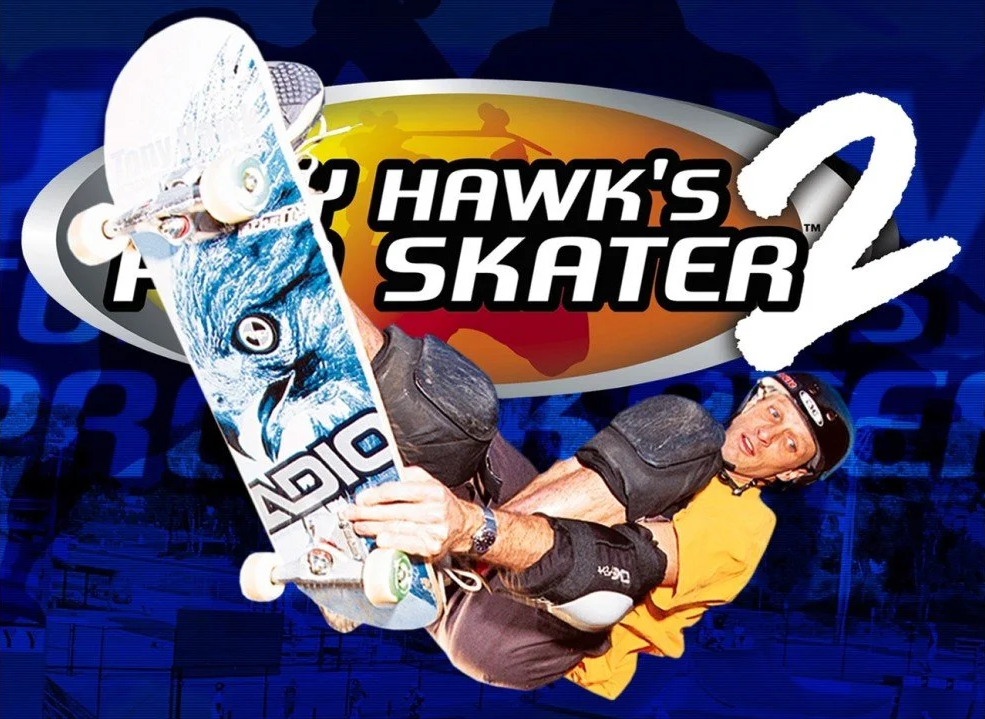
Tony Hawk’s Pro Skater 2 was released in 2000, but its soundtrack did something bigger than just fill the background. It became a gateway. The game mixed punk, rap, metal, and underground energy into one of the most influential licensed soundtracks in gaming, with tracks like “Guerrilla Radio,” “Bring the Noise,” “No Cigar,” “You,” and “When Worlds Collide” helping shape what a lot of players heard next. 
Why THPS 2 Hit So Hard Musically
The genius of THPS 2 was that it did not present music like a museum lesson. It blasted it at players while they were trying to land combos, chase goals, and keep momentum alive. That mattered. Songs were not framed as “important.” They just felt cool, immediate, and inseparable from the speed of the game itself. The result was that bands from very different scenes ended up living in the same memory: Rage Against the Machine, Bad Religion, Papa Roach, Millencolin, Naughty by Nature, Powerman 5000, and more. 
That mix was unusually broad for the time. THPS 2’s soundtrack crossed punk, metal, rap, and hip-hop without sounding confused, which is a big reason it felt so defining. The game’s own reputation backs that up: it is still widely regarded as one of the greatest sports games ever made, and critics repeatedly singled out the soundtrack as part of what made it so memorable. 
Why It Opened So Many Musical Doors
- It mixed punk, rap, hip-hop, and metal in one soundtrack without making it feel forced.
- It introduced players to bands like Bad Religion, Millencolin, Lagwagon, and Rage Against the Machine through gameplay, not lectures.
- The game itself became a cultural landmark, which made the soundtrack even harder to separate from a whole generation’s memories
- Later writing on the THPS series still describes the games as powerful musical gateways that changed listeners’ tastes.
The Songs Felt Like an Education Without Feeling Educational
That is the trick THPS 2 pulled better than almost any game soundtrack of its era. It educated people by accident. Kids who came for skating mechanics left remembering punk choruses, rap verses, and metal hooks they probably would not have found the same way otherwise. The game did not stop to explain the scenes behind the music. It just made those songs feel essential. That is why so many people still talk about THPS not as a soundtrack they liked, but as one that changed what they listened to. Recent reflection on the wider THPS soundtracks says exactly that: for many players, these games reshaped their musical tastes in a lasting way. 
This is also why THPS 2 still stands out inside the franchise. It was early enough to feel raw, but polished enough to hit huge. The soundtrack lineup was unveiled before launch in 2000, and it helped sell the game as more than a sports title. It felt like an attitude machine. 
Everyone realizes why a new common language would be desirable: one could refuse to pay expensive translators. To achieve this, it would be necessary to have uniform grammar, pronunciation and more common words.
FINAL THOUGHTS
THPS 2 turned a generation onto punk, metal, and hip-hop because it made discovery feel effortless. It did not ask players to respect the music first. It made them love the feeling first, then chase the songs later. That is why the soundtrack still gets talked about with a kind of reverence most sports-game playlists never earn. 
And that is the real legacy. Tony Hawk’s Pro Skater 2 was not just a skateboarding game with good taste. It was a cultural pipeline — one that smuggled scenes, bands, and sounds into bedrooms, living rooms, and memory forever.


Comments
adamgordon
Wow, cool post, thanks for sharing.
miaqueen
Thanks for sharing this information is useful for us.