
Directive 8020 is not perfect, but my experience with it was tense, uncomfortable, and exactly the kind of sci-fi horror that makes every decision feel wrong.
My Experience With Directive 8020
A Horror Game Built Around Doubt
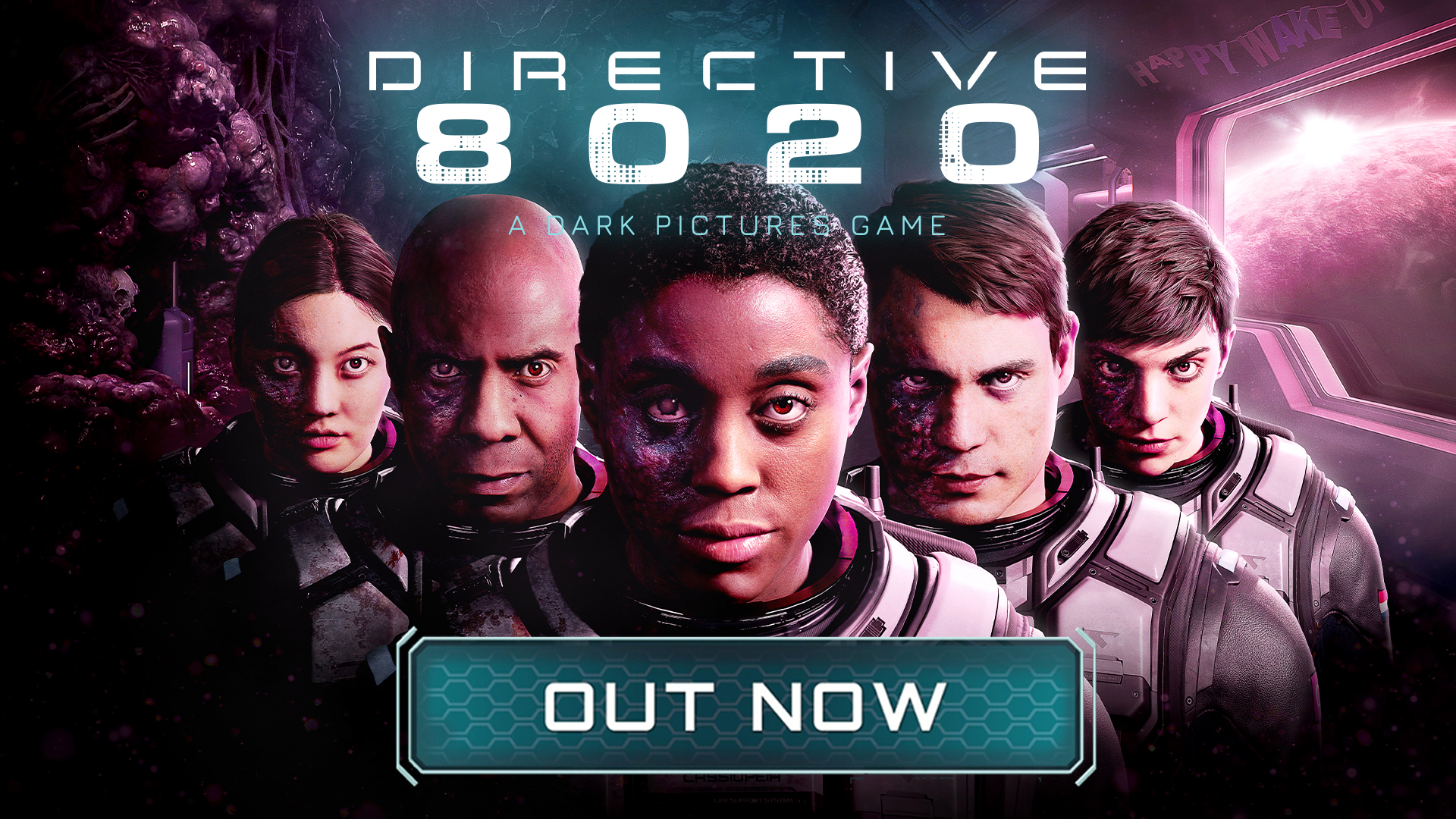
Directive 8020 is a sci-fi survival horror game from Supermassive Games, the studio behind Until Dawn and The Quarry. It takes place aboard the Cassiopeia, a colony ship sent toward Tau Ceti f while Earth is dying and humanity is running out of options.
So yes, very relaxing.
Then things go wrong, because of course they do. The crew discovers an alien organism capable of mimicking people, and suddenly the horror is not only about what is hiding in the dark. It is about whether the person standing next to you is still the person you think they are.
That is the part that got me.
Not the monster itself. The doubt.
The Tension Works Because It Feels Personal
The best moments in Directive 8020 are not always the loud ones. They are the quiet moments where someone pauses a little too long, where a hallway feels too empty, where a decision seems small but somehow disgusting.
I like horror when it makes me distrust my own instinct.
Directive 8020 does that well. It is not just “run from the alien.” It is “who do I trust, what did I miss, did I just make this worse, and why does this room feel like it is waiting for me?”
That kind of tension is better than a cheap jumpscare.
It stays longer.
It Is Messy, But I Kind Of Like That
I am not going to pretend the game is perfect. The reception is clearly split. Steam user reviews are mixed, and some critics say the stealth can feel inconsistent, the pacing can stumble, and not every system works as smoothly as it should.
But honestly, I did not need Directive 8020 to be perfectly clean.
Horror can survive rough edges if the feeling is strong enough.
And this game has feeling.
It has that cold spaceship dread, the body horror, the paranoia, the uncomfortable choices, the sense that every answer might still be wrong. PC Gamer even called it “one giant leap for sci-fi body horror,” and I get why. The game leans hard into that Alien and The Thing kind of fear, but with Supermassive’s usual obsession with choices and consequences.
The Choices Feel Better When They Hurt
Directive 8020 is strongest when it makes you feel responsible.
Not powerful. Responsible.
That is different.
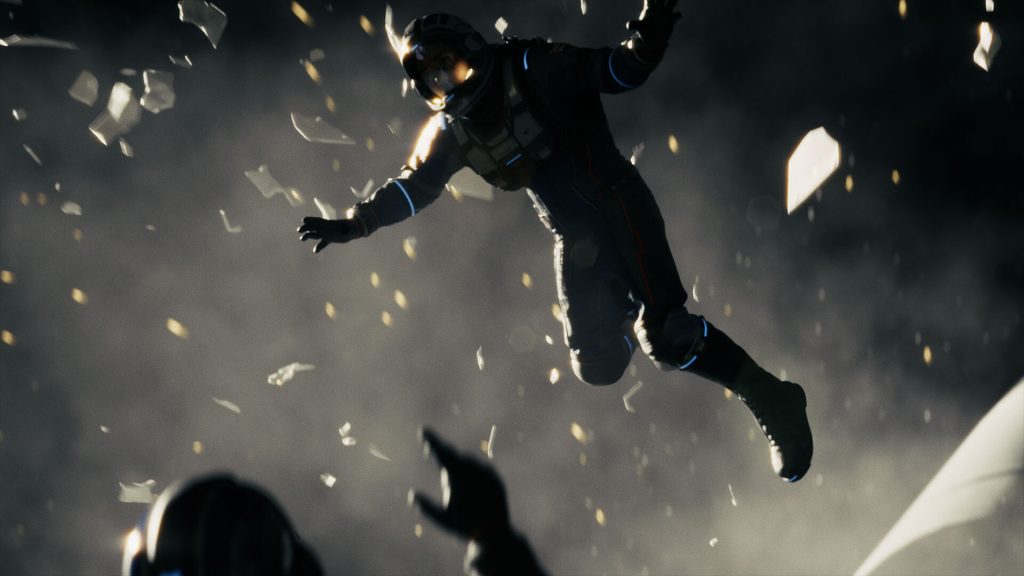
You are not playing some perfect space hero with clean answers. You are making decisions under pressure, with people you may not fully trust, inside a ship that feels like it is slowly turning against everyone inside it.
The new Turning Points system is interesting because it lets players revisit key narrative moments and explore different outcomes. I understand why some players will love that. It makes the game more replayable and turns the story into a kind of horror puzzle.
But part of me still likes the uglier version.
The version where you make a choice, hate it, and live with it.
That feels more like horror to me.
What Worked For Me
Directive 8020 worked best when it made space feel lonely, cold, and unsafe. The Cassiopeia is not just a setting. It feels like a pressure box. Every corridor, every conversation, every weird silence has that “something is off” energy.
I also liked that the game does not only care about survival. It cares about suspicion. That is way more interesting. A monster can chase you, sure, but paranoia makes you carry the game in your head after you stop playing.
That is the real win.
My Honest Take
I liked Directive 8020 more when I stopped asking if every mechanic was perfect and started asking if the game was getting under my skin.
And it did.
Not constantly. Not flawlessly. But enough.
It made me hesitate. It made me second-guess people. It made me care about decisions because I did not fully trust the consequences. That is exactly what I want from this kind of horror.
I do not need horror to feel clean.
I need it to leave a mark.
Directive 8020 does not always move smoothly, but when it hits, it hits in the right place.
The Feeling That Stays
My experience with Directive 8020 was not about playing well.
It was about feeling trapped.
Trapped in a ship. Trapped with people I could not fully trust. Trapped inside decisions that felt wrong before I even made them.
That is why I think the game is worth playing if you like sci-fi horror.
Not because it is perfect.
Because it understands something important:
fear is not always about what is chasing you.
Sometimes it is about who is standing beside you.